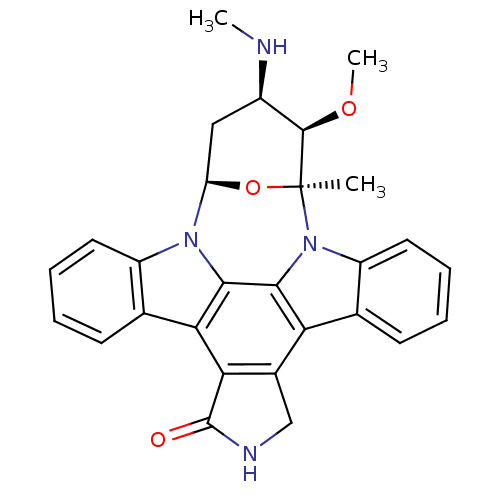
Affinity DataKd: 0.180nMAssay Description:Binding constant for MST2 kinase domainMore data for this Ligand-Target Pair
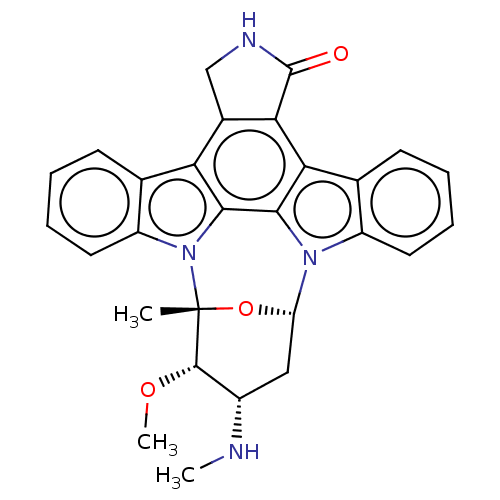
Affinity DataKd: 0.180nMAssay Description:Kinase inhibitors are a new class of therapeutics with a propensity to inhibit multiple targets. The biological consequences of multi-kinase activity...More data for this Ligand-Target Pair
Affinity DataEC50: 0.180nMAssay Description:Inhibition of MST2 (unknown origin) expressed in HEK293T cells using NanoGlo as substrate incubated for 20 hrs by NanoBRET assayMore data for this Ligand-Target Pair
Affinity DataKd: 0.180nMAssay Description:Binding constant for MST2 kinase domainMore data for this Ligand-Target Pair
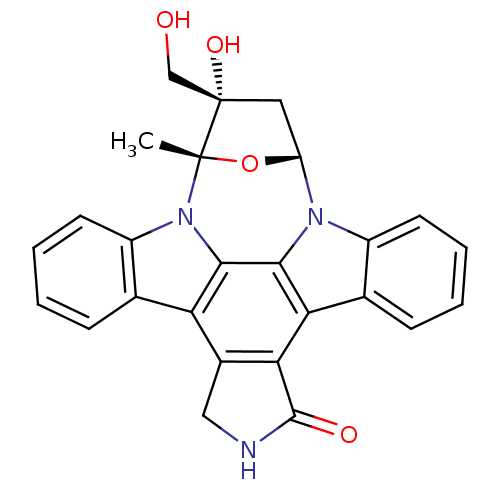
Affinity DataKd: 2.40nMAssay Description:Binding constant for MST2 kinase domainMore data for this Ligand-Target Pair
Affinity DataKd: 2.40nMAssay Description:Binding affinity to MST2More data for this Ligand-Target Pair
Affinity DataIC50: 2.80nMAssay Description:Inhibition of human MST2 using MBP as substrate by [gamma-33P]-ATP assayMore data for this Ligand-Target Pair
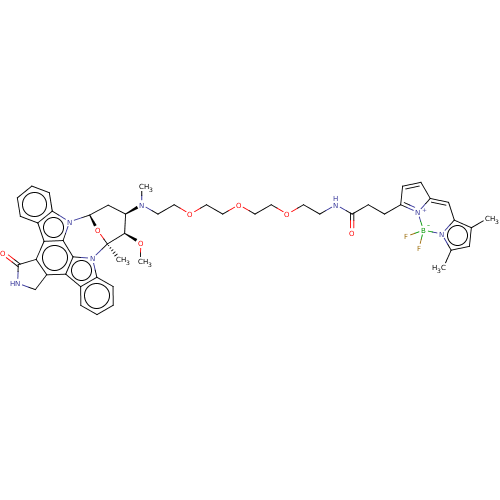
Affinity DataKd: 3nMAssay Description:Binding affinity to recombinant full-length N-terminal His-FLAG-GST-tagged STK3 (unknown origin) expressed in baculovirus infected Sf9 insect cells i...More data for this Ligand-Target Pair
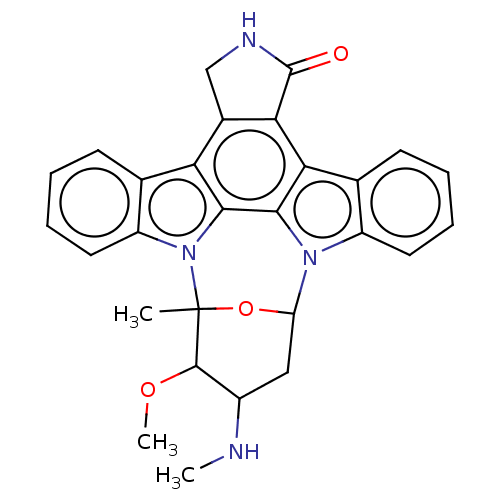
Affinity DataIC50: 3.40nMAssay Description:Inhibition of human MST2 using myelin basic protein as substrate preincubated for 20 mins followed by [gamma-33P]-ATP addition and measured after 120...More data for this Ligand-Target Pair

Affinity DataIC50: 4nMAssay Description:Inhibition of MST2 (unknown origin)More data for this Ligand-Target Pair
Affinity DataIC50: 4.70nMAssay Description:Inhibition of STK3 (unknown origin)More data for this Ligand-Target Pair
Affinity DataIC50: 5.5nMAssay Description:Inhibition of human MST2 using MBP as substrate by [gamma-33P]-ATP assayMore data for this Ligand-Target Pair

Affinity DataKd: 6nMAssay Description:Binding affinity to recombinant full-length N-terminal His-FLAG-GST-tagged STK3 (unknown origin) expressed in baculovirus infected Sf9 insect cells i...More data for this Ligand-Target Pair

Affinity DataKd: 11nMAssay Description:Binding affinity to MST2 (unknown origin) assessed as dissociation constantMore data for this Ligand-Target Pair
 3D Structure (crystal)
Affinity DataIC50: 18nMAssay Description:Inhibition of MST2 (unknown origin) in presence of ATP by enzymatic assayMore data for this Ligand-Target Pair
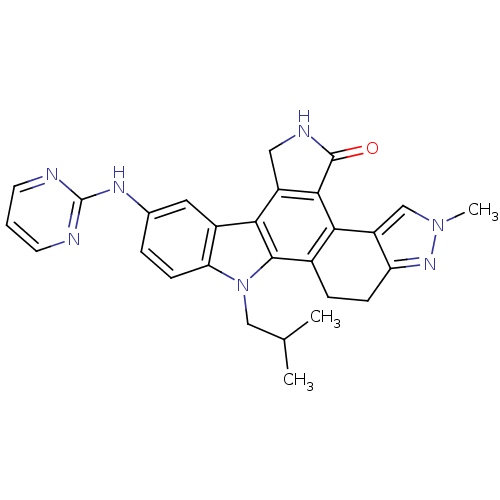
Affinity DataIC50: 21nMAssay Description:Inhibition of human MST2 using ATP as substrateMore data for this Ligand-Target Pair
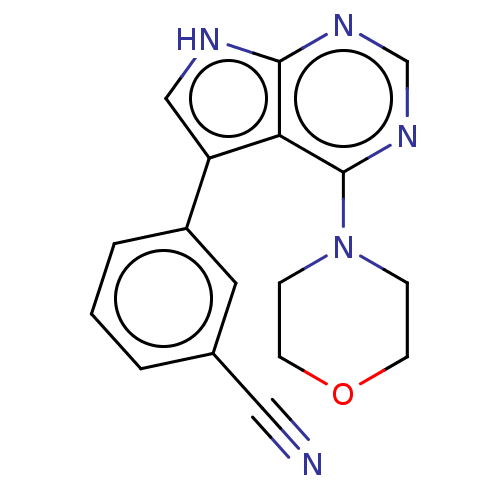
Affinity DataIC50: 22nMAssay Description:Inhibition of human recombinant MST2 using Ser/Thr peptide 7 substrate after 45 mins by Z-Lyte assayMore data for this Ligand-Target Pair
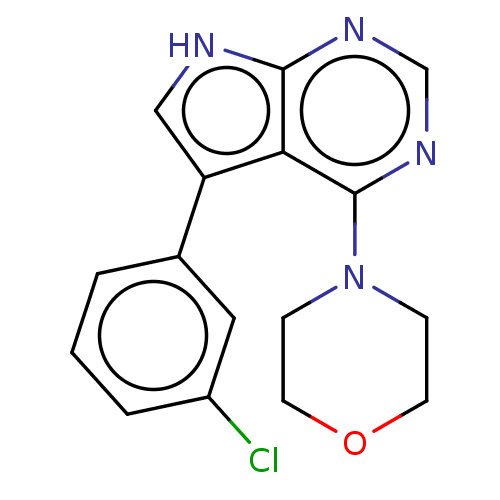
Affinity DataKd: 27nMAssay Description:Binding affinity to recombinant N-terminal His6-tagged human STK3 (18 to 311 residues) expressed in Escherichia coli assessed as dissociation constan...More data for this Ligand-Target Pair
Affinity DataIC50: 34nMAssay Description:Inhibition of recombinant His-tagged full-length MST2 (unknown origin) expressing in Escherichia coli assessed as MOB1a phosphorylation level incubat...More data for this Ligand-Target Pair
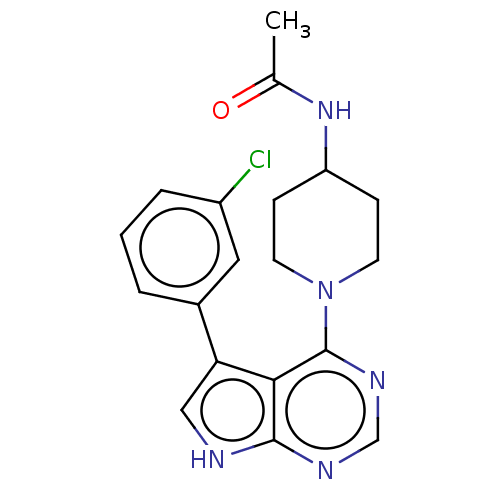
Affinity DataIC50: 36nMAssay Description:Inhibition of recombinant N-terminal His6-tagged human STK3 (18 to 311 residues) expressed in Escherichia coli using myelin basic protein as substrat...More data for this Ligand-Target Pair

Affinity DataKd: 38nMAssay Description:Binding constant for MST2 kinase domainMore data for this Ligand-Target Pair
Affinity DataIC50: 38nMAssay Description:Inhibition of recombinant His-tagged full-length MST2 (unknown origin) expressing in Escherichia coli assessed as GST-tagged MOB1a phosphorylation le...More data for this Ligand-Target Pair
Affinity DataIC50: 38nMAssay Description:Inhibition of Flag-tagged full-length MST2 (unknown origin) transfected in HEK293T cells assessed as MOB1a phosphorylation level incubated for 3 hrs ...More data for this Ligand-Target Pair
Affinity DataIC50: 39nMAssay Description:Inhibition of recombinant His-tagged full-length MST2 (unknown origin) expressing in Escherichia coli assessed as MOB1 phosphorylation level incubate...More data for this Ligand-Target Pair

Affinity DataIC50: 40nMAssay Description:Biochemical IC50s were measured at Invitrogen using Z-lyte technology. Briefly, for STK4, the 2×STK4 (MST1)/Ser/Thr 07 mixture was prepared in 50 mM ...More data for this Ligand-Target Pair

Affinity DataIC50: 40nMAssay Description:Biochemical IC50s were measured at Invitrogen using Z-lyte technology. Briefly, for STK4, the 2×STK4 (MST1)/Ser/Thr 07 mixture was prepared in 50 mM ...More data for this Ligand-Target Pair

Affinity DataIC50: 40nMAssay Description:Biochemical IC50s were measured at Invitrogen using Z-lyte technology. Briefly, for STK4, the 2×STK4 (MST1)/Ser/Thr 07 mixture was prepared in 50 mM ...More data for this Ligand-Target Pair
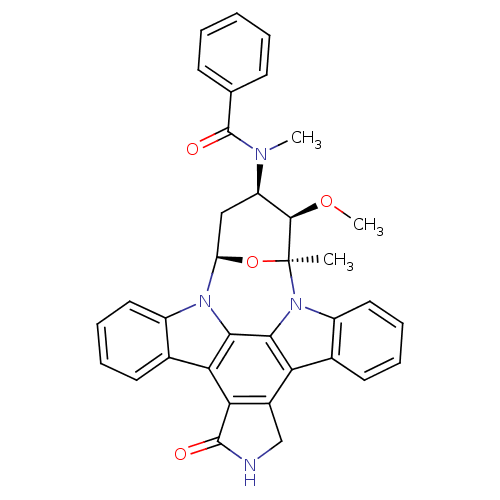
Affinity DataKd: 40nMAssay Description:Binding affinity to MST2More data for this Ligand-Target Pair

Affinity DataIC50: 40nMAssay Description:Biochemical IC50s were measured at Invitrogen using Z-lyte technology. Briefly, for STK4, the 2×STK4 (MST1)/Ser/Thr 07 mixture was prepared in 50 mM ...More data for this Ligand-Target Pair
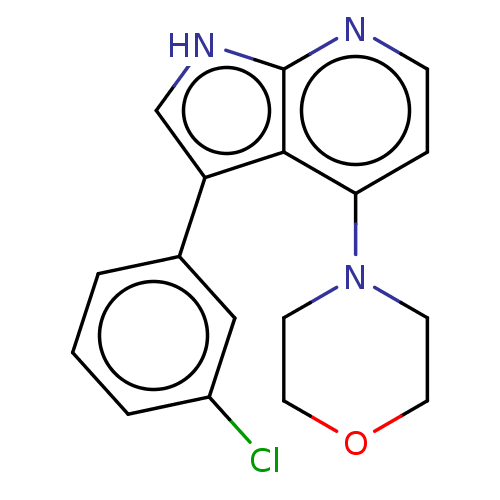
Affinity DataKd: 48nMAssay Description:Binding affinity to recombinant N-terminal His6-tagged human STK3 (18 to 311 residues) expressed in Escherichia coli assessed as dissociation constan...More data for this Ligand-Target Pair
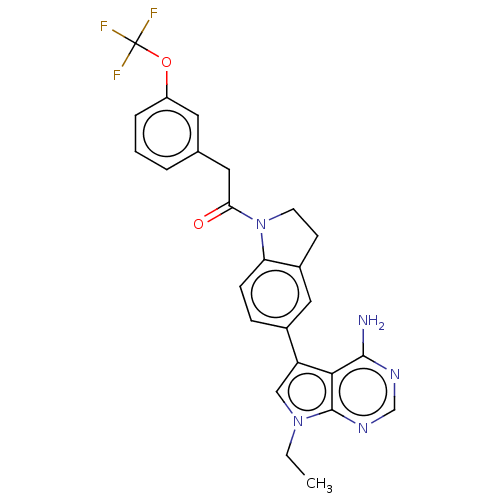
Affinity DataIC50: 50nMAssay Description:Inhibition of recombinant human MST2 (2 to end residues) using myelin basic protein as substrate after 40 mins in presence of [gamma-33P]-ATP by scin...More data for this Ligand-Target Pair
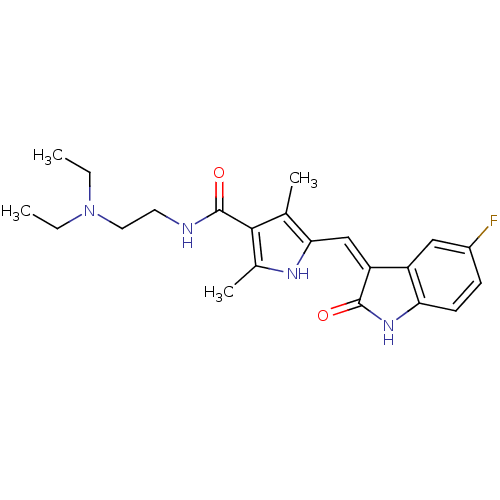
Affinity DataKd: 56nMAssay Description:Binding affinity to MST2More data for this Ligand-Target Pair
Affinity DataKd: 56nMAssay Description:Kinase inhibitors are a new class of therapeutics with a propensity to inhibit multiple targets. The biological consequences of multi-kinase activity...More data for this Ligand-Target Pair
Affinity DataKd: 56nMAssay Description:Binding constant for MST2 kinase domainMore data for this Ligand-Target Pair
Affinity DataKd: 56nMAssay Description:Binding constant for MST2 kinase domainMore data for this Ligand-Target Pair
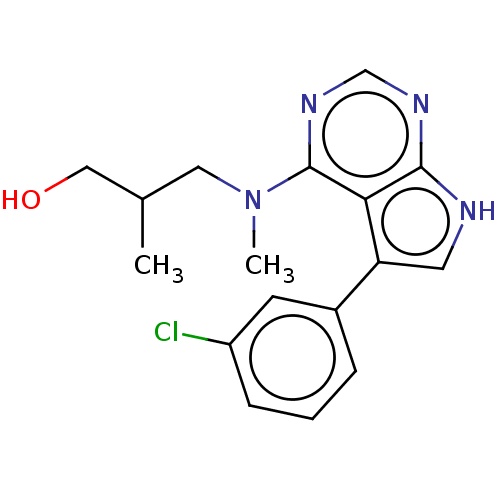
Affinity DataIC50: 58nMAssay Description:Inhibition of recombinant N-terminal His6-tagged human STK3 (18 to 311 residues) expressed in Escherichia coli using myelin basic protein as substrat...More data for this Ligand-Target Pair
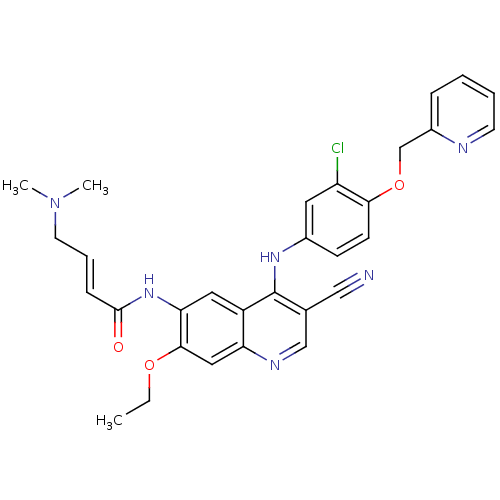
Affinity DataKd: 58nMAssay Description:Binding constant for MST2 kinase domainMore data for this Ligand-Target Pair
Affinity DataIC50: 58nMAssay Description:Inhibition of MST2 (unknown origin)More data for this Ligand-Target Pair
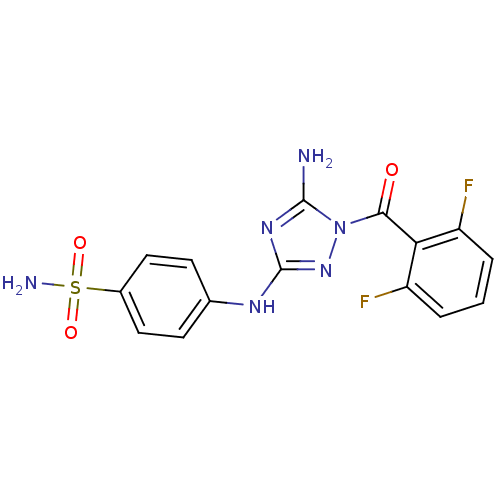
Affinity DataKd: 61nMAssay Description:Kinase inhibitors are a new class of therapeutics with a propensity to inhibit multiple targets. The biological consequences of multi-kinase activity...More data for this Ligand-Target Pair
Affinity DataKd: 61nMAssay Description:Binding constant for MST2 kinase domainMore data for this Ligand-Target Pair

Affinity DataKd: 65nMAssay Description:Kinase inhibitors are a new class of therapeutics with a propensity to inhibit multiple targets. The biological consequences of multi-kinase activity...More data for this Ligand-Target Pair
Affinity DataKd: 65nMAssay Description:Binding constant for MST2 kinase domainMore data for this Ligand-Target Pair
Affinity DataKd: 65nMAssay Description:Binding constant for MST2 kinase domainMore data for this Ligand-Target Pair
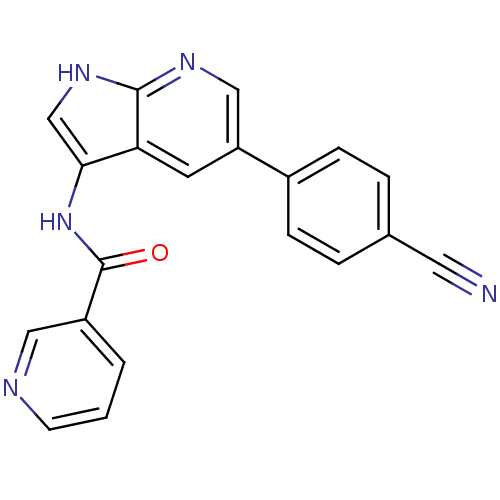
Affinity DataKd: 75nMAssay Description:Binding affinity to human MST2More data for this Ligand-Target Pair
Affinity DataIC50: 76nMAssay Description:Inhibition of DGAT1 (unknown origin) by cell-based assayMore data for this Ligand-Target Pair
Affinity DataKi: 88nMAssay Description:Recombinant kinase domains of STK3 and STK4 at 2.0 μM in 10 mM HEPES pH 7.5 and 500 mM NaCl were mixed with 10 UM of the test inhibitors. Temperature...More data for this Ligand-Target Pair
Affinity DataKi: 89nMAssay Description:Binding affinity to recombinant N-terminal His6-tagged human STK3 (18 to 311 residues) expressed in Escherichia coli assessed as inhibition constantMore data for this Ligand-Target Pair
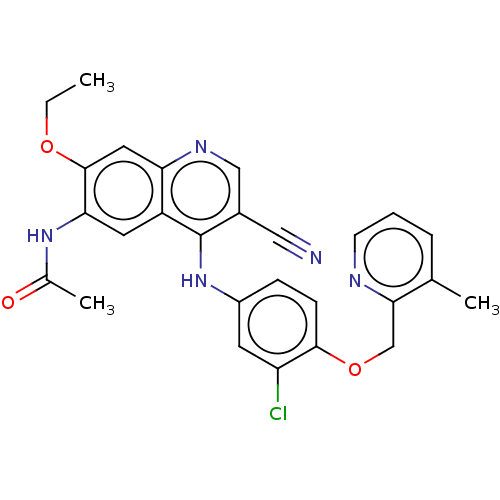
Affinity DataIC50: 100nMAssay Description:MST1 and MST2 biochemical LanthaScreen Eu Kinase Binding Assay was based on the binding and displacement of kinase tracer to the kinase of interest. ...More data for this Ligand-Target Pair
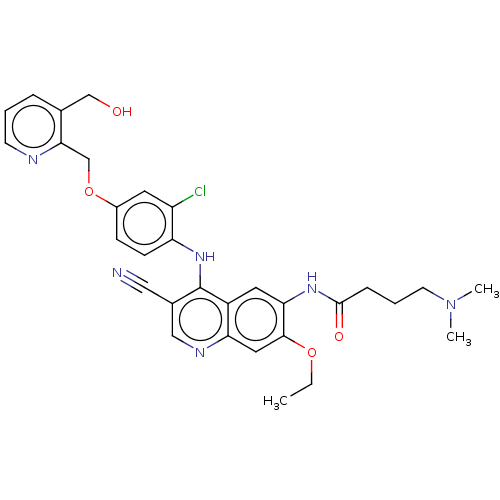
Affinity DataIC50: 100nMAssay Description:MST1 and MST2 biochemical LanthaScreen Eu Kinase Binding Assay was based on the binding and displacement of kinase tracer to the kinase of interest. ...More data for this Ligand-Target Pair
